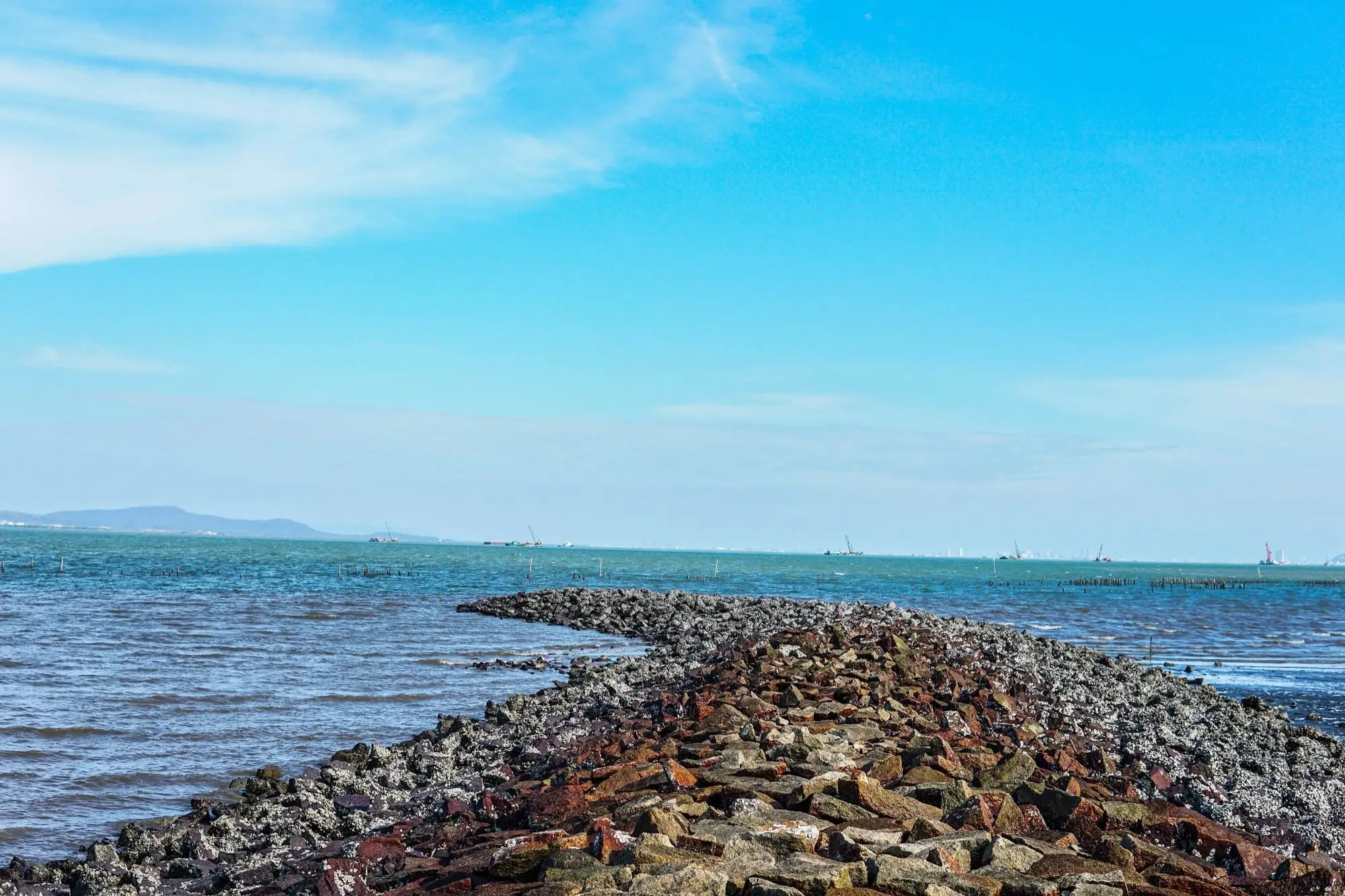


The Liên Chiểu port area, on the north-western side of Đà Nẵng Bay, is planned as the city’s new deep-water port. The state-funded shared infrastructure (over VND 3,426 billion) comprises a breakwater of about 1,170 m, a navigation channel about 7.3 km long, 160 m wide and dredged to -14.0 m, and a six-lane port access road; the city announced its completion on 28 March 2026, according to Tạp chí Công Thương on that day. Earlier, on 16 March 2026, the Đà Nẵng People’s Committee issued Decision 917/QĐ-UBND approving the investor selection for the container terminal.
Key points
- Groundbreaking on 25 April 2026: According to Nhân Dân, Vietnam+ and Sài Gòn Giải Phóng, all on 25 April 2026, the Đà Nẵng People’s Committee and the investors held the groundbreaking for the overall Liên Chiểu container terminal project, attended by Standing Deputy Prime Minister Phạm Gia Túc.
- Investors: A consortium of Hateco Group JSC, Hateco Port Co., Ltd and APM Terminals B.V. (Netherlands); the project term is 50 years.
- Investment and area: About VND 45,268 billion (around USD 2 billion) according to Vietnam+ and SGGP; more than 172 ha according to Nhân Dân.
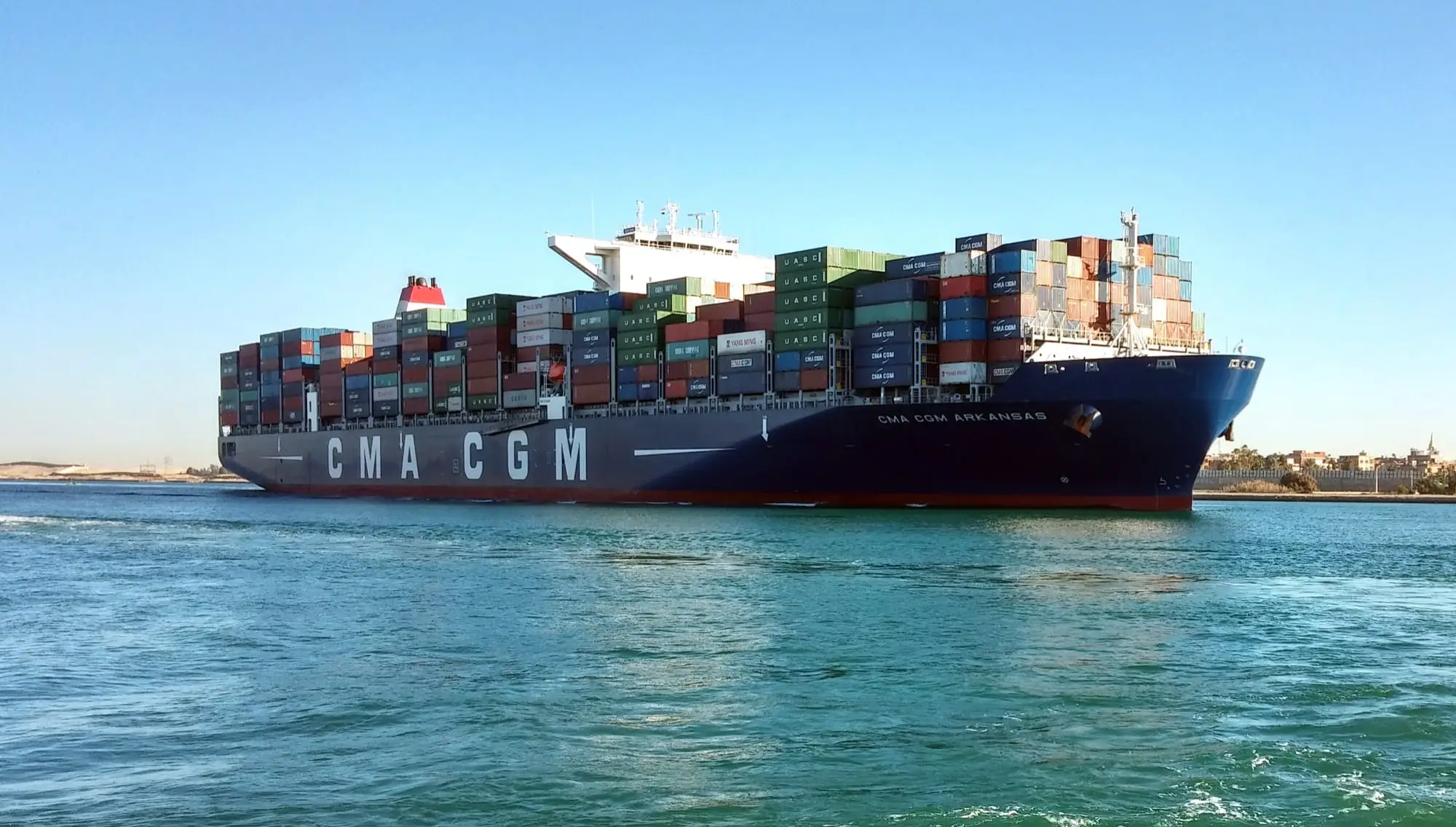
- Scale: 8 container berths, about 2,750 m of quay, ships up to 18,000 TEU; design capacity about 5.7 million TEU a year (about 74 million tonnes).
- Phase 1: Target of about 4 million TEU a year three years after operations start.
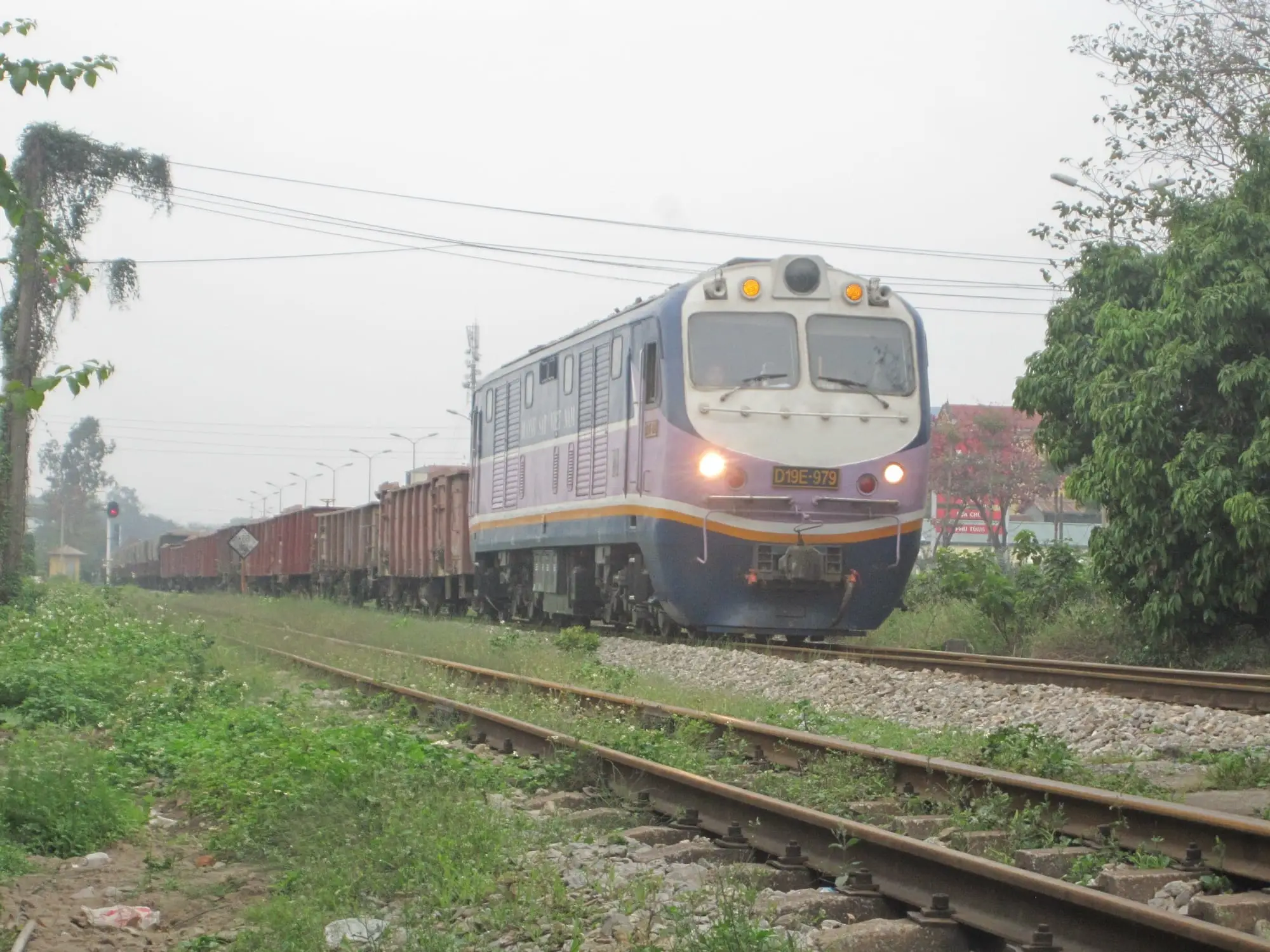
- Connections: Barge berths, yards, inspection and CFS areas and a link to the national rail network; a coastal road of nearly 3 km with six lanes (over VND 1,200 billion) will serve port trucks.
The sources above do not give an opening date for the first berth.
Impact on importers and exporters
Many container shipments from central Vietnam and the Central Highlands currently connect via the large ports in the south or north. A deep-water port able to take 18,000 TEU ships, with an international operator involved, opens the possibility of larger services calling directly at Đà Nẵng once it operates. Rail and barge links are also aimed at reducing reliance on road haulage.
What businesses should do
- Companies with plants or suppliers in central Vietnam or the Central Highlands should follow construction progress and the opening date of the first berth.
- When carriers announce services calling at Liên Chiểu, compare total cost and transit time (inland haulage plus ocean freight) with current routings.
- During construction, recheck container truck routes around the Liên Chiểu area.
Sources
- Đà Nẵng breaks ground on container terminal to build a modern logistics ecosystem, Nhân Dân, 25 Apr 2026
- Liên Chiểu port groundbreaking, Vietnam+ (VNA), 25 Apr 2026
- Đà Nẵng breaks ground on Liên Chiểu port, Sài Gòn Giải Phóng, 25 Apr 2026
- Đà Nẵng launches the Liên Chiểu container port project worth over VND 45 trillion, Tạp chí Công Thương, 28 Mar 2026